

×
Apr
2026
Understanding Dark Spots: Causes and Treatment of Hyperpigmentation
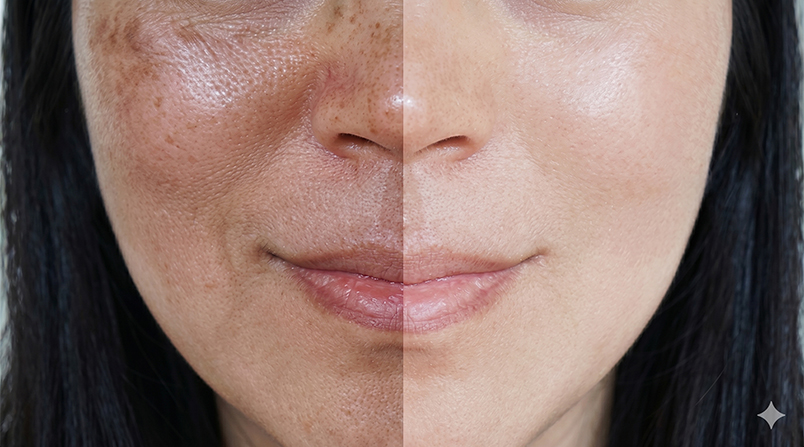
Hyperpigmentation refers to dark patches or spots on the skin, a very common skin concern. Although it is usually harmless, it can affect a person’s confidence and overall appearance. Knowing what causes these dark spots is essential for treating and preventing them effectively.
What is Hyperpigmentation?
Hyperpigmentation occurs when the skin produces excess melanin, the pigment responsible for skin color. When certain triggers stimulate melanin production, it can accumulate in specific areas, leading to darker patches compared to the surrounding skin.
Main Causes of Hyperpigmentation
1. Sun Exposure Prolonged exposure to UV rays increases melanin production as a protective response. This often leads to sunspots or age spots, especially on exposed areas like the face, hands, and shoulders.
2. Post-Inflammatory Hyperpigmentation (PIH) This happens after skin injury or inflammation such as acne, burns, cuts, or skin conditions. Once the skin heals, it may leave behind dark marks. These can be temporary or long-lasting depending on their depth
3. Hormonal Changes (Melasma) Melasma appears as large, dark patches, usually on the face. It is more common in women and is often linked to pregnancy, birth control pills, or hormonal therapy. Sun exposure can make it worse.
4. Medications and Health Conditions Certain medicines and medical conditions can also cause pigmentation changes as a side effect or symptom.
How to Treat Hyperpigmentation
Step 1: Sun Protection Daily sunscreen use (SPF 30 or higher) is essential. It prevents existing spots from darkening and stops new ones from forming. Wearing hats and protective clothing also helps.
Step 2: Skincare Treatments
Using the right ingredients can gradually reduce pigmentation:
- Retinoids help renew skin cells
- Vitamin C brightens skin and reduces pigment formation
- Azelaic acid helps with acne and dark spots
- AHAs exfoliate and remove pigmented cells
- Niacinamide improves skin tone
- Hydroquinone (under medical supervision) reduces melanin production
Step 3: Professional Treatments
For stubborn pigmentation, dermatological procedures can help:
- Chemical peels remove damaged skin layers
- Laser and IPL treatments target pigment directly
- Microdermabrasion exfoliates the skin
- Microneedling promotes new, even-toned skin