

×
Feb
2026
Top Causes of Hair Loss and How Modern Treatments Can Help
Hair loss is a common concern affecting both men and women. Losing some hair daily is normal, but excessive hair fall, thinning hair, or visible bald patches may indicate an underlying issue. Hair loss can be caused by various factors such as genetics, lifestyle, medical conditions, or hormonal changes. Fortunately, modern dermatology offers advanced treatments that can help restore hair growth and improve scalp health.
In this blog, we will explore the top causes of hair loss and how modern hair restoration treatments can help manage the problem effectively.
1. Genetic Factors (Androgenetic Alopecia)
One of the most common causes of hair loss is genetic hair loss, also known as androgenetic alopecia or pattern baldness. It can affect both men and women and usually appears as a receding hairline or thinning hair on the crown.
How Modern Treatments Help
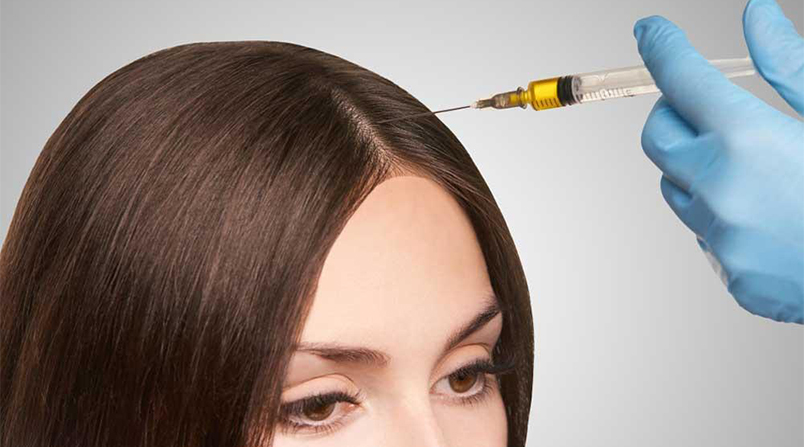
Advanced therapies such as PRP (Platelet-Rich Plasma), GFC therapy, QR678 injections, and hair transplant procedures help stimulate hair follicles and promote hair regrowth. These treatments strengthen existing hair and slow down further hair loss.
2. Hormonal Imbalance
Hormonal changes can significantly affect hair growth. Conditions such as thyroid disorders, PCOS, pregnancy, menopause, or hormonal medications can trigger hair thinning or excessive hair fall.
Treatment Options
Dermatologists may recommend PRP therapy, scalp treatments, and medical hair regrowth solutions to restore the hair growth cycle and improve follicle health.
3. Stress and Lifestyle Factors
Physical or emotional stress can disrupt the natural hair growth cycle, leading to temporary hair shedding known as telogen effluvium. Poor sleep, unhealthy diet, and high stress levels can also contribute to hair loss.
Modern Solutions
Hair restoration treatments combined with proper nutrition, scalp therapy, and stress management can help improve hair strength and reduce excessive hair fall.
4. Nutritional Deficiencies
Hair health depends on essential nutrients such as iron, protein, vitamin D, biotin, and zinc. A lack of these nutrients can weaken hair follicles and slow hair growth.
Treatment Approach
Dermatologists may recommend nutritional supplements, scalp treatments, and hair growth therapies to restore healthy hair growth.
5. Medical Conditions and Medications
Certain medical conditions such as alopecia areata, scalp infections, autoimmune disorders, and side effects of medications can cause hair loss.
Modern Treatments
Treatments like Kenacort injections, PRP therapy, and regenerative hair treatments can help reactivate hair follicles and improve scalp health.
6. Excessive Hair Styling and Chemical Treatments
Frequent use of heat styling tools, harsh chemicals, tight hairstyles, and hair coloring can damage hair follicles and lead to hair thinning.
Prevention and Treatment
Professional scalp treatments, hair strengthening therapies, and advanced hair restoration procedures can help repair damaged follicles and restore healthy hair growth.